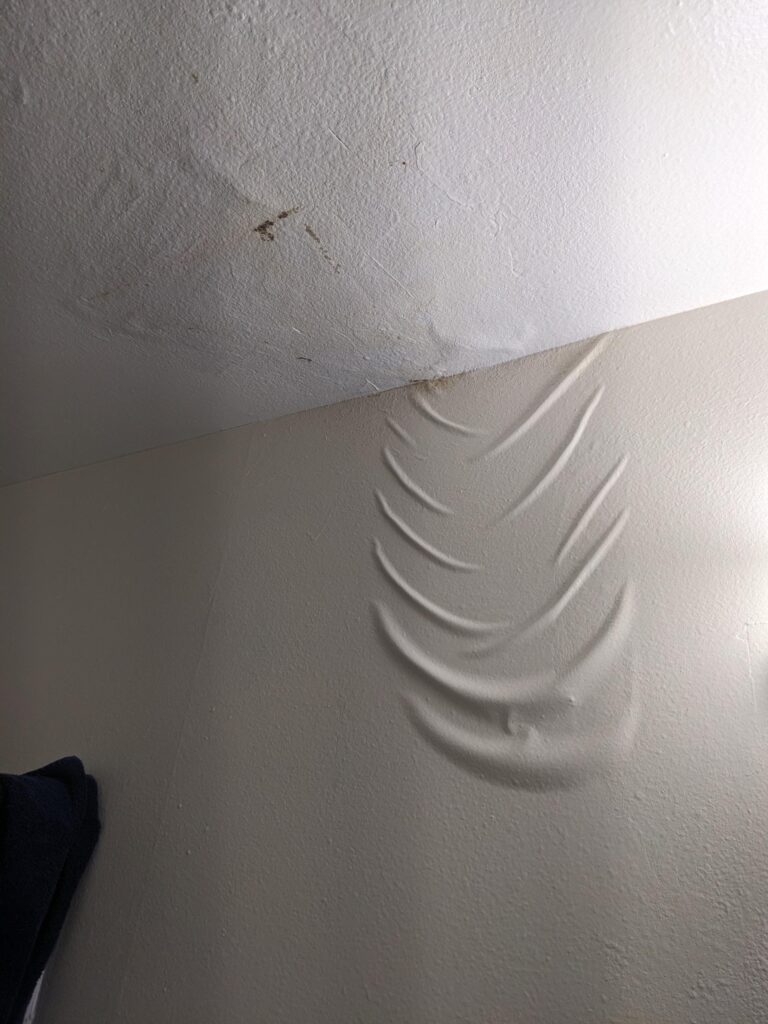


Flooding turns a basement from a functional space into a health and structural risk within hours. Once water recedes, the most dangerous phase begins: contamination. Floodwater often carries bacteria, sewage, chemicals, and organic debris that settle into porous materials and linger long after visible water is gone.
Disinfecting a basement after flooding is not simply about odor control or surface cleaning. It is a critical process that protects indoor air quality, prevents mold growth, and reduces long-term damage to the building.
This guide explains how to disinfect a flooded basement properly, what materials can and cannot be saved, which disinfectants are effective, and when professional intervention is necessary.
Why Basement Floodwater Is Especially Hazardous
Basements are uniquely vulnerable because they sit below ground level and interact directly with soil, groundwater, and sewer systems. Even clean-looking floodwater can contain harmful contaminants.
Common risks include:
Bacteria and viruses from sewage backflow
Chemicals from soil, fuel storage, or household products
Mold spores activated by prolonged moisture
Structural materials absorbing contaminated water
According to guidance from Centers for Disease Control and Prevention, flood-exposed indoor environments should always be treated as contaminated unless proven otherwise.
Before You Start: Safety Comes First
Disinfection should never begin until the basement is safe to enter.
Essential Safety Checks
Electricity: Shut off power to the basement at the main breaker if water reached outlets or appliances
Structural integrity: Look for sagging ceilings, wall cracks, or shifting foundations
Gas hazards: Check for gas odors before entry
Ventilation: Open windows and doors if possible to reduce airborne contaminants
If there is any uncertainty about safety, evacuation and professional assessment are required. Agencies such as FEMA emphasize that personal safety must come before cleanup.
Step 1: Remove Standing Water and Wet Debris
Disinfection is ineffective if water and debris remain.
Water Removal
Use sump pumps, trash pumps, or wet/dry vacuums
Pump water out gradually to avoid pressure damage to foundation walls
Never drain a basement faster than surrounding groundwater recedes
Debris Removal
Discard mud, silt, and organic debris
Bag contaminated materials immediately
Avoid sweeping dry debris, which spreads contaminants into the air
At this stage, the goal is exposure—not cleanliness.
Step 2: Remove Unsalvageable Materials
Many basement materials cannot be safely disinfected once saturated.
Materials That Must Be Removed
Carpet and carpet padding
Drywall below the flood line
Fiberglass or cellulose insulation
Upholstered furniture and mattresses
Cardboard, paper, and books
These materials trap contaminants and moisture, creating long-term health risks if retained.
Materials That May Be Salvaged
Concrete and masonry
Solid wood framing (if structurally sound)
Metal surfaces
Non-porous plastics
Salvageability depends on exposure time and contamination severity.
Step 3: Initial Cleaning Before Disinfection
Disinfectants do not work effectively on dirty surfaces. Cleaning removes organic matter that shields microorganisms.
Cleaning Process
Scrub surfaces with detergent and clean water
Use stiff brushes for concrete and masonry
Rinse thoroughly and remove dirty water
This step reduces microbial load and prepares surfaces for proper disinfection.
Step 4: Choosing the Right Disinfectant
Not all disinfectants are appropriate for flood cleanup.
Commonly Recommended Disinfectants
Chlorine bleach: Effective against bacteria and viruses when diluted properly
EPA-registered antimicrobial products: Designed for flood and sewage cleanup
Quaternary ammonium compounds: Used in professional restoration
Bleach should never be mixed with ammonia or acidic cleaners due to toxic gas formation.
Proper Bleach Dilution (General Guidance)
Approximately 1 cup of bleach per gallon of water for hard surfaces
Use fresh solution daily for effectiveness
Always follow product label instructions.
Step 5: Disinfecting Basement Surfaces
Apply disinfectant after cleaning and drying excess moisture.
Key Areas to Treat
Concrete floors and walls
Wood framing and sill plates
Stairs and utility rooms
Floor drains and sump pits
Allow disinfectants to remain on surfaces for the recommended contact time, usually 10–15 minutes, before rinsing if required.
Step 6: Drying the Basement Thoroughly
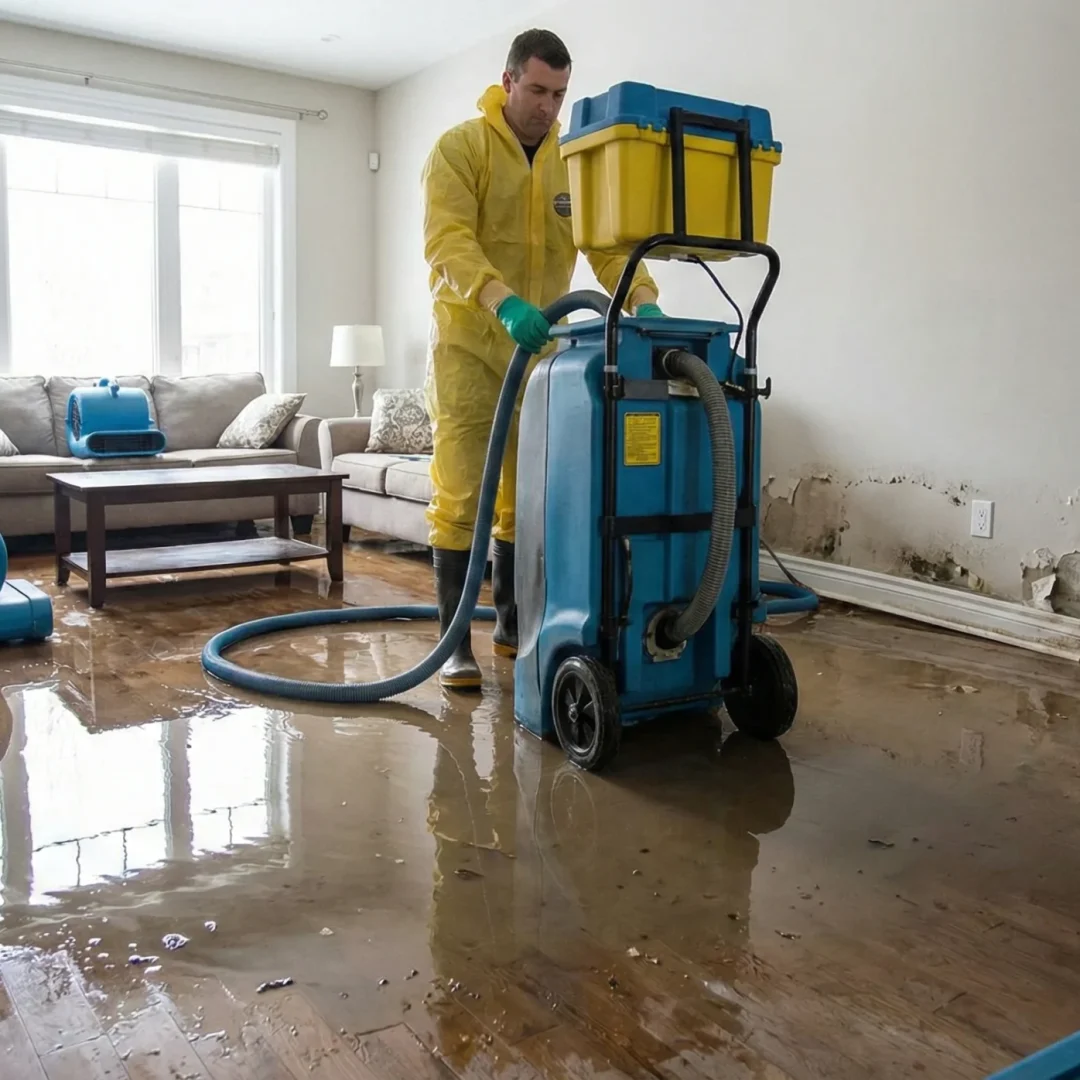
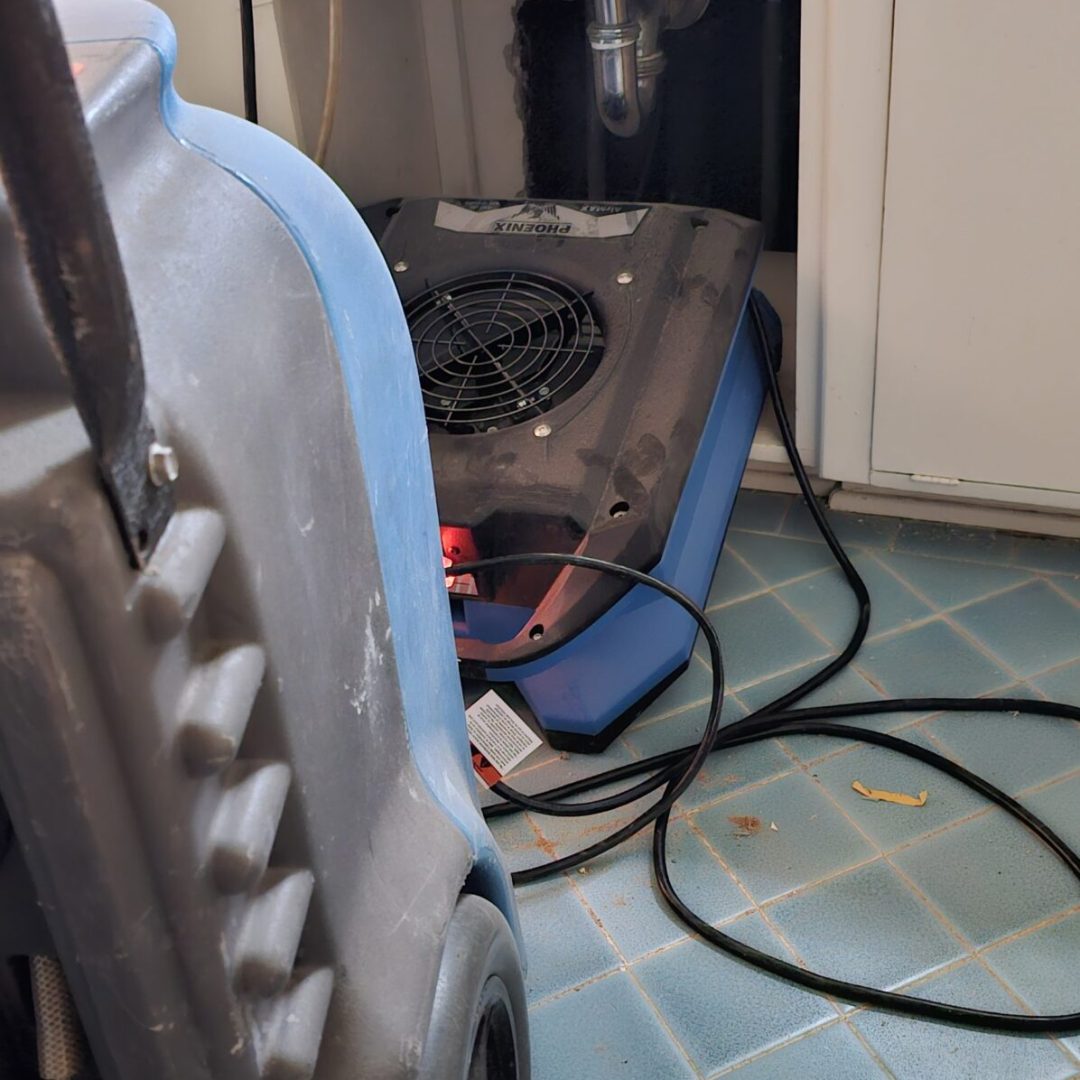
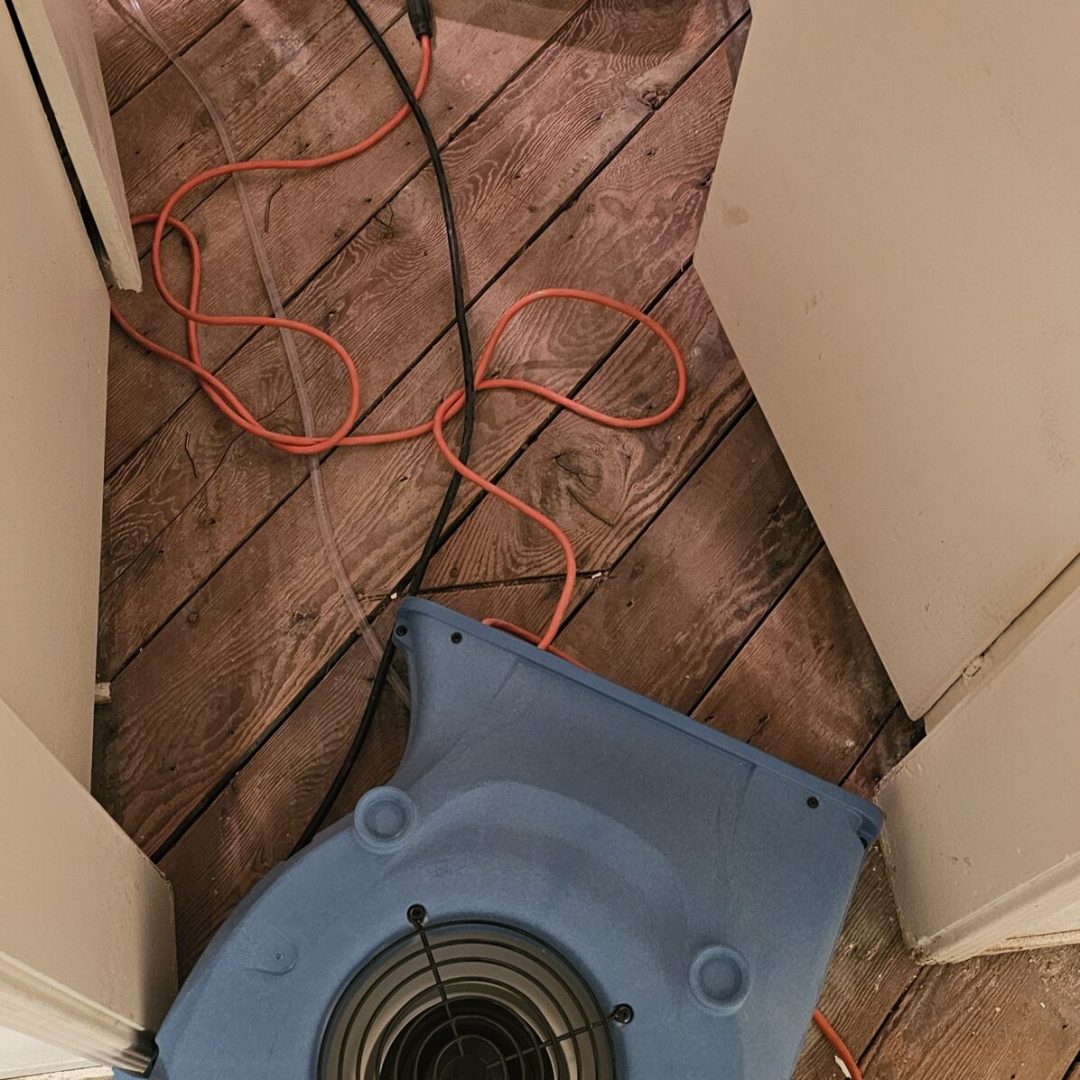
Disinfection without drying invites mold growth.
Effective Drying Strategies
Use commercial-grade dehumidifiers
Place air movers to circulate air across surfaces
Maintain indoor humidity below 50%
Continue drying for several days after visible dryness
Moisture meters are often used by professionals to confirm that materials have returned to safe levels.
Step 7: Mold Prevention After Disinfection
Flooded basements are prime environments for mold if drying is incomplete.
Preventive Measures
Monitor humidity continuously
Address condensation issues
Seal cracks and foundation gaps
Improve exterior drainage and grading
If mold growth appears despite disinfection, professional remediation is required.
When Professional Restoration Is Necessary
Floodwater involved sewage
The basement remained wet longer than 24–48 hours
Mold is visible or suspected behind walls
Structural materials were submerged
Certified restoration companies follow standards such as those from Institute of Inspection Cleaning and Restoration Certification to ensure safe and complete cleanup.
Health Risks of Inadequate Disinfection
Improper cleanup can lead to:
Respiratory irritation
Gastrointestinal illness
Allergic reactions
Long-term indoor air quality problems
The Centers for Disease Control and Prevention warns that flood-related contaminants may continue to affect occupants long after water removal if not properly addressed.
Insurance Considerations
Flood cleanup and disinfection may or may not be covered, depending on the source of water.
Typically covered:
Sudden plumbing failures
Appliance malfunctions
Often excluded:
Groundwater flooding without flood insurance
Long-term seepage
Documenting contamination, cleanup steps, and professional involvement improves claim outcomes.
Preventing Future Basement Flooding
Disinfection is only one part of recovery. Prevention reduces recurrence.
Long-Term Prevention Strategies
Install or maintain sump pumps with battery backup
Improve exterior drainage and gutter systems
Seal foundation cracks
Avoid storing valuables directly on basement floors
Basements designed for moisture management recover faster and suffer less damage.
References
Centers for Disease Control and Prevention – Public health guidance on flood cleanup, disinfection, mold prevention, and health risks associated with contaminated indoor environments.
FEMA – Official recommendations on post-flood safety, structural risks, and proper cleanup procedures for flooded homes and basements.
Institute of Inspection Cleaning and Restoration Certification – Industry standards (IICRC S500 and S520) for professional water damage restoration and microbial remediation.
World Health Organization – International guidance on health risks related to flooding, sanitation, and environmental contamination.
Insurance Information Institute – Authoritative explanations of insurance coverage considerations related to flood damage, cleanup, and remediation.
FAQs
-
Is bleach enough to disinfect a flooded basement?
Bleach is effective on hard, non-porous surfaces when used correctly, but it is not suitable for all materials.
-
How long should I wait before reusing the basement?
Only after surfaces are dry, disinfected, and humidity remains stable below 50%.
-
Can I disinfect without removing drywall?
No. Saturated drywall cannot be safely disinfected and must be removed.
-
Will odors disappear after disinfection?
Persistent odors often indicate trapped moisture or hidden contamination that requires further investigation.